Updated: 3 days ago


⸻
Every gardener dreams of overflowing harvest baskets and picture-perfect plants. Reality, however, has a funny way of reminding us that gardening is part science, part patience, and part simply rolling with whatever Mother Nature decides to throw your way.
This season brought drought, flooding rains, relentless heat, hungry insects, and plenty of trial and error. While my garden wasn’t the bumper crop I’d imagined, it still filled our table with fresh vegetables all summer long—and perhaps more importantly, it taught me lessons I’ll carry into every growing season from here on out.
*Late May- Early June 2026
Here’s what I learned.
⸻
1. Drought Doesn’t Always Mean Dry Plants
The garden began with nearly the entire month of April passing without meaningful rain.
Fortunately, the plants didn’t go thirsty. Evening watering quickly became one of my favorite daily rituals. As the sun dipped lower, the day’s heat finally eased, the mules made their evening march across the pasture, the birds settled in for the night, and the chorus of crickets and frogs slowly took over. I’d make my rounds with the water hose, soaking each plant before dark.
Even with consistent watering, though, there’s something about natural rainfall that simply can’t be duplicated. The garden survived the dry spell, but the lack of spring rain seemed to set the tone for a season that constantly challenged the plants.
Lesson Learned:
Even when we do everything we can, Mother Nature still has the final say.
⸻
2. Too Much Rain Can Be Just as Difficult
Just when the drought finally broke, the skies opened.
The heavy rains were welcomed at first, but they also brought an explosion of insects and disease pressure that seemed to appear almost overnight.
The season quickly shifted from growing vegetables to trying to stay ahead of the next garden problem.
Lesson Learned:
Weather swings often create more challenges than steady conditions. Stay ahead with regular inspections instead of waiting until damage is obvious.
*Garden beds June 27, 2026
⸻
3. Garden Pests Don’t Wait for an Invitation
One thing this season taught me is that garden pests don’t always arrive gradually.
I walked the garden every day—often several times a day—and still found myself surprised by how quickly insects could appear and begin causing damage. It sometimes felt like I could leave for work with healthy plants and come home to discover an entirely new problem.
Squash bugs attacked the squash.
Those big green caterpillars found the tomatoes.
Tiny caterpillars with bright red heads destroyed the roots of my Desert Rose.
The broccoli wasn’t spared either.
It reminded me that even the most attentive gardener can’t prevent every problem. Sometimes the bugs simply win a round.
Lesson Learned:
Daily observation is still worth every minute—not because it prevents every infestation, but because it helps you respond before a problem becomes even bigger.
⸻
4. Sometimes the Garden Calls for a Bigger Toolbox
This season became a lesson in trying one solution after another.
I started where I wanted to start—with organic options. Neem oil was my first defense, along with homemade Dawn soap sprays and other gentle treatments whenever possible.
Some pests slowed down.
Others barely seemed to notice.
As the pressure increased, I eventually reached for Sevin. I also treated with BioAdvanced 3-in-1 when we suspected fungus might be contributing to the plants’ struggles.
It wasn’t about waiting too long or missing the signs. It was simply one of those years when every challenge seemed to arrive at once.
Lesson Learned:
I’ll always start with the gentlest option first, but I’ve learned there’s nothing wrong with having stronger tools available when the garden truly needs them.

⸻
5. Sometimes Plants Need a Little Help Recovering
As the season wore on, I tried encouraging stressed plants with plant food and a little Miracle-Gro to help them bounce back after battling insects, heat, and weather stress.
Some plants responded surprisingly well.
Others had simply endured too much damage to fully recover.
Lesson Learned:
Healthy plants recover faster, but fertilizer can’t completely undo environmental stress.
⸻
6. Not Every Plant Makes It
Out of six squash plants, only one survived.
That single survivor still rewarded us with squash, but it was a humbling reminder that gardening isn’t measured by perfection.
Sometimes success is simply harvesting something despite everything working against you.
*Throughout Summer 2026 Harvest
⸻
7. Timing Matters
The broccoli matured earlier than expected and became another casualty of insect pressure.
Cool-season crops have a relatively small window in Georgia before heat and pests become overwhelming.
Lesson Learned:
Plant cool-season vegetables as early as possible and be prepared to harvest quickly.
⸻
8. Georgia Summer Is No Joke
The heat became one of the biggest challenges of the season.
Some afternoons felt like the garden was simply trying to survive instead of grow.
Between scorching temperatures and intense afternoon sun, plants spent more energy enduring the weather than producing vegetables.
And let’s not forget the hydrangeas that taught me another lesson: a brick wall can turn afternoon sunshine into an oven.
Lesson Learned:
Next year I’ll pay even closer attention to afternoon sun, reflected heat, and choosing the right location for every plant.
*Harvesting and Deadheading July 14 - August 14, 2026
⸻
9. Bigger Growing Space Equals Bigger Harvests
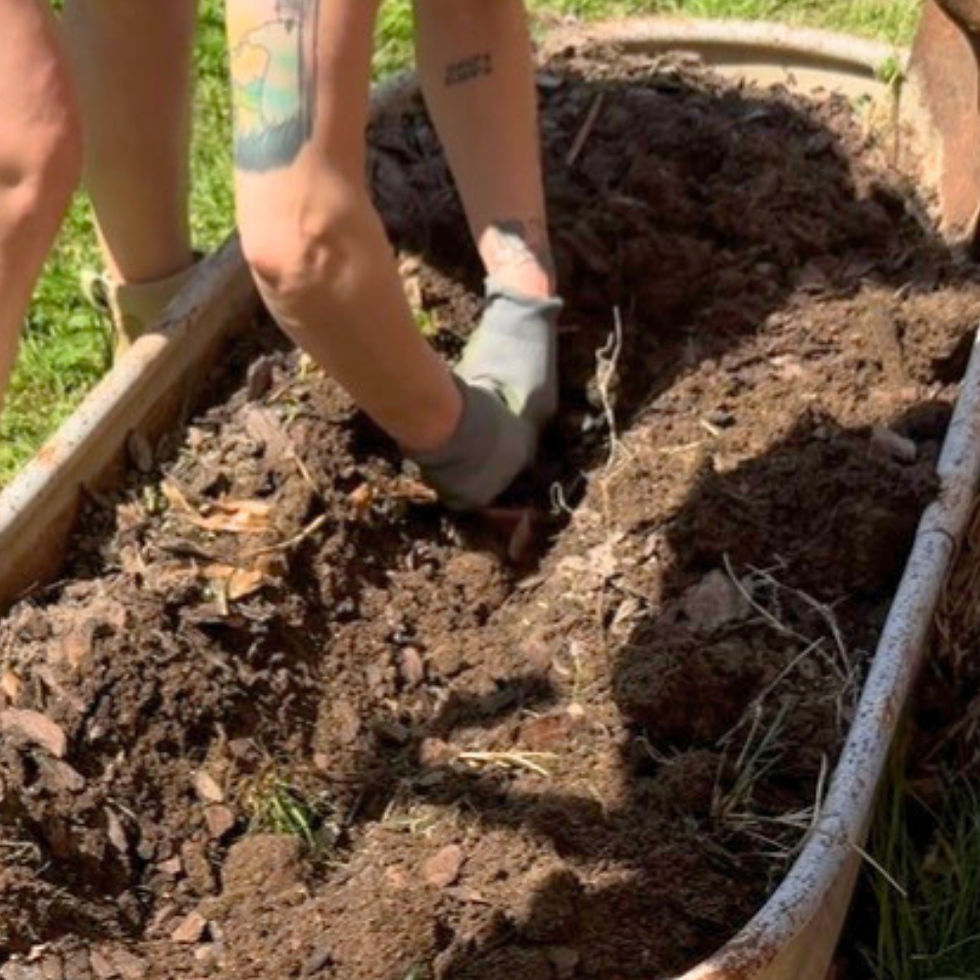
One of the biggest realizations came from growing vegetables in vintage metal dairy buckets.
They certainly added charm to the garden and fit the rustic farmhouse style I love.
Unfortunately, mature vegetable plants need far more root space than those containers could provide.
This may be the year I finally convince Cowboy to let me expand into planting directly in the ground.
I have a feeling next year’s negotiations have already begun.
Lesson Learned:
Pretty containers are wonderful—but productive vegetable gardens need room to grow.
⸻
10. Gardening Rewards Consistency
One lesson I didn’t fully appreciate going into the season is that a productive garden isn’t built in a weekend.
It’s built a little bit every day.
A garden isn’t a “plant it and forget it” project. It asks you to show up consistently.
Some evenings that meant watering.
Other evenings it meant harvesting ripe vegetables before they became overripe.
Sometimes it was deadheading flowers, removing yellow leaves, trimming damaged branches, pulling a few weeds, or tying up vines that had grown another few inches overnight.
None of those jobs took very long by themselves, but together they helped keep the garden healthy, improve airflow, reduce disease pressure, and encourage plants to keep producing.
Those evening walks through the garden became one of my favorite parts of the day. As the sun began to set, the mules would start their evening march across the pasture, the birds would quiet down, and the frogs and crickets would begin their nightly chorus. With a garden hose in one hand and pruning shears in the other, I’d make my rounds—not because something was always wrong, but because a thriving garden simply needs regular attention.
Lesson Learned:
Gardening isn’t about one big Saturday of work. It’s about showing up day after day, paying attention, making small adjustments, and trusting that those little efforts will add up over the course of the season.
*Garden Beds August 6, 2026
⸻
The Garden Doesn’t Care About My Schedule:
The weeds don’t take weekends off.
The tomatoes don’t stop growing because I had to work.
The squash bugs don’t wait until I’m home.
The garden doesn’t care if it’s convenient.
It simply keeps growing.
And if I want to enjoy the harvest, I have to keep showing up too.
The first year wasn’t perfect.
It wasn’t Instagram perfect.
It wasn’t magazine perfect.
But it was real.
Every bug, every storm, every wilted plant, every basket of tomatoes, and every lesson made me a better gardener.
The beautiful thing about gardening is that every spring gives us another chance to grow.
⸻

Comments